Breaking the Stigma: How Churches Can Foster Open Conversations About Mental Health

Mental health remains a difficult topic in many communities, and the church is no exception. For years, misconceptions about mental illness have caused shame, fear, and silence among those who struggle. However, as awareness grows, churches have a unique opportunity to break the stigma and create a culture of openness, healing, and support.

Understanding the Stigma

Mental health stigma in faith communities often stems from misunderstanding. Some view mental illness as a lack of faith, a punishment for sin, or simply a spiritual problem that can be prayed away. These beliefs can prevent individuals from seeking the help they need, leaving them isolated and suffering in silence.

The truth is that mental health conditions, like depression, anxiety, and PTSD, are complex and can be caused by a variety of factors, including genetics, trauma, and chemical imbalances. While faith and prayer can provide comfort and strength, professional mental health care is often necessary for healing. The church must recognize this reality and work to remove the shame surrounding mental health struggles.

Encouraging Open Conversations

One of the most powerful ways churches can combat stigma is by fostering open discussions about mental health. This starts with church leadership acknowledging mental illness as a real and valid issue. Pastors, elders, and ministry leaders should openly talk about mental health from the pulpit, in Bible studies, and in conversations with members.

When church leaders share their own struggles or stories of overcoming mental health challenges, it creates a culture of honesty and transparency. It sends the message that it is okay to struggle and that seeking help is not a sign of weak faith but rather a step toward healing.

Integrating Mental Health into Ministry

Churches can integrate mental health awareness into their ministries in practical ways:

  1. Educational Programs: Hosting mental health seminars, workshops, and support groups can provide education and resources for church members. Partnering with Christian counselors or mental health professionals can add credibility and provide professional insights.

  2. Training for Leaders: Equipping pastors and church leaders with basic mental health training can help them recognize signs of distress and respond appropriately. Knowing when to refer someone to a mental health professional is crucial.

  3. Safe Spaces for Support: Creating small groups or prayer ministries focused on mental health support can help those struggling find a sense of community. Many people hesitate to speak up in large gatherings but may feel comfortable in smaller, judgment-free settings.

  4. Balanced Teaching on Healing: While the Bible speaks of God’s power to heal, churches should teach that healing can come through various means, including therapy, medication, and professional counseling. A holistic approach that embraces both faith and science is key.

The Church as a Place of Healing

When churches address mental health openly, they become places of refuge rather than judgment. Members will feel safe seeking help without fear of condemnation. By promoting a culture of compassion and understanding, churches can reflect Christ’s love and offer real hope to those battling mental health challenges.

Breaking the stigma begins with conversation. When churches speak openly about mental health, they help remove fear, shame, and misunderstanding—allowing people to heal, grow, and experience God’s grace in every aspect of their lives.

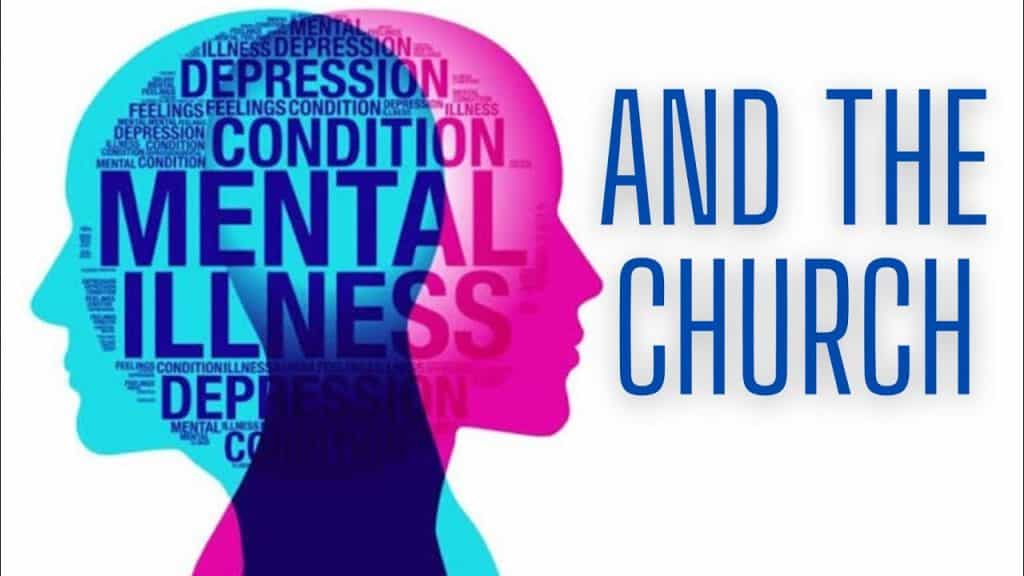
Faith and Healing: The Role of the Church in Supporting Mental Health

Mental health is a growing concern worldwide, and many individuals seek guidance, comfort, and healing through their faith. Churches have long been places of refuge, providing spiritual, emotional, and sometimes even physical support to those in need. As mental health awareness grows, churches play an increasingly vital role in addressing these challenges, breaking stigmas, and offering holistic healing.

The Church as a Place of Support

For centuries, faith communities have provided solace to people facing hardship, grief, and emotional struggles. The church serves as a sanctuary where individuals can find encouragement, belonging, and understanding. Worship, prayer, and fellowship can provide a sense of peace and reassurance for those experiencing anxiety, depression, or other mental health issues.

One of the primary ways the church supports mental health is by fostering a strong community. Loneliness and isolation are common factors that contribute to poor mental health, and churches can counteract this by offering fellowship, small groups, and pastoral care. When people feel connected to a faith community, they are less likely to suffer in silence and more likely to seek help.

Breaking the Stigma Around Mental Health

Historically, some faith traditions have misunderstood mental health challenges, sometimes viewing them as purely spiritual issues rather than medical conditions. While faith and prayer can be powerful sources of healing, it is crucial for churches to acknowledge that mental health conditions are real and often require professional intervention. By addressing mental health openly, church leaders can help remove the stigma that prevents many from seeking the help they need.

Many churches today are taking proactive steps by hosting mental health awareness seminars, providing support groups, and even partnering with Christian counselors and mental health professionals. By fostering open conversations about mental health, the church becomes a place where individuals can seek help without fear of judgment.

Faith as a Source of Healing

Faith plays a crucial role in the healing process. Many people find strength in their belief in God, which gives them hope during difficult times. Scriptures that speak of peace, restoration, and God’s love can be a source of encouragement for those struggling with mental health issues. Prayer, meditation, and worship can provide emotional relief and a sense of purpose.

However, faith should complement—not replace—professional mental health treatment. Churches can encourage members to seek therapy, medication, and other necessary interventions while also offering spiritual support. Pastors and church leaders should be trained to recognize when someone needs professional care and guide them accordingly.

Practical Ways Churches Can Support Mental Health

Churches can take several practical steps to support mental health, such as:

  • Offering counseling services or referrals to Christian therapists
  • Hosting mental health support groups
  • Providing training for church leaders on mental health awareness
  • Creating sermons and Bible studies that address mental well-being
  • Encouraging self-care and rest among clergy and members

By integrating faith with mental health awareness, churches can serve as powerful sources of healing, hope, and transformation. When the church acknowledges and supports mental health needs, it truly becomes a place of refuge and restoration for those who seek help.

Breaking the Silence: How the Church Can Address Mental Health Stigma

Mental health is a significant issue affecting millions of people worldwide, yet it remains a subject that is often met with silence in many communities, particularly in religious spaces. The stigma surrounding mental health disorders, including anxiety, depression, and other conditions, can lead to isolation, shame, and a lack of support. However, the church has a unique opportunity to break this silence, offering a compassionate environment where healing and restoration can begin. By addressing mental health stigma, the church can foster a community of care, acceptance, and understanding.

The Stigma of Mental Health in Religious Communities

Historically, mental health issues have often been misunderstood in many religious communities. Some individuals suffering from mental health disorders may feel that their struggles reflect a lack of faith, or worse, that they are being punished for their sins. This harmful narrative can prevent people from seeking the help they need, both spiritually and medically. Furthermore, in some cases, churches may view mental health struggles as a spiritual problem rather than a medical one, which can lead to insufficient support for those in need of professional care.

The stigma surrounding mental health is deeply ingrained in society, and the church, as a powerful and influential institution, has the potential to either perpetuate or challenge these misconceptions. When mental health issues are ignored or brushed aside, it only adds to the shame and isolation felt by individuals facing these challenges.

The Church as a Place of Healing and Support

The church should be a place of healing, where people can seek refuge from the burdens of life, including the burdens of mental health struggles. One of the most significant ways the church can address the stigma surrounding mental health is by fostering open and honest conversations about these issues. Pastors and leaders should lead by example, encouraging congregants to talk openly about mental health struggles without fear of judgment.

By addressing mental health in sermons, Bible studies, and church events, leaders can create a safe space for individuals to share their experiences and seek support. This can be particularly helpful for individuals who may feel hesitant to reach out for professional help. When the church openly discusses mental health, it helps normalize the conversation and reminds individuals that they are not alone in their struggles.

Providing Resources and Support

In addition to fostering open dialogue, the church can also provide practical resources to support those struggling with mental health issues. Partnering with mental health professionals, offering support groups, and creating church-based counseling programs are all ways that churches can provide tangible help to individuals in need. These resources demonstrate that mental health care is just as important as spiritual care, and that the church is committed to supporting the whole person—body, mind, and spirit.

Support groups can be a powerful tool for individuals to connect with others who are facing similar struggles. These groups can provide a sense of community, reduce isolation, and help individuals find hope and healing in the midst of their difficulties. Many churches have already seen the benefits of integrating mental health support into their ministries, helping congregants build resilience and find peace.

Emphasizing Compassion and Non-Judgment

Finally, the church can play a critical role in challenging the harmful attitudes of judgment and shame that often accompany mental health issues. By emphasizing compassion, acceptance, and the unconditional love of Christ, the church can create an environment where individuals feel safe to seek help. Jesus himself demonstrated a deep concern for the marginalized and the hurting, and the church should reflect that same care and empathy for those struggling with mental health.

Breaking the silence surrounding mental health is not just about addressing the issues; it’s about creating a culture of love, empathy, and support. When the church takes the lead in addressing mental health stigma, it paves the way for individuals to experience healing in both their physical and spiritual lives. It’s time for the church to step into its role as a beacon of hope and healing, breaking the silence and embracing those who need help the most.