Mind, Body, and Spirit Healing: How Churches Provide Compassionate Support for Mental Health Recovery

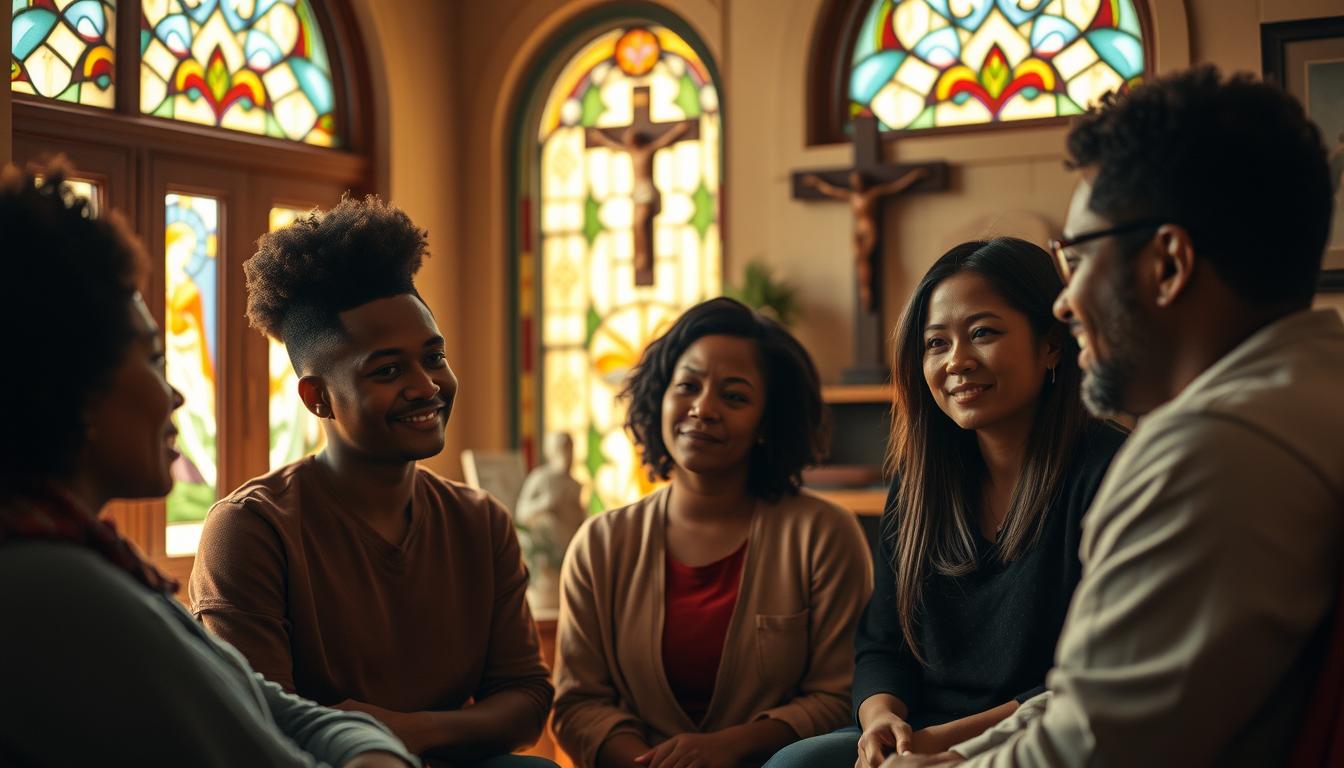
Mental health recovery is about far more than overcoming symptoms. It is about restoring hope, rebuilding relationships, and rediscovering purpose after seasons of pain. For individuals facing addiction, anxiety, depression, trauma, or other emotional challenges, healing often requires support that reaches every part of life. Sanctuary Church embraces this understanding through a compassionate, faith-based approach that combines professional mental health treatment, addiction recovery services, and spiritual care. By addressing the needs of the mind, body, and spirit together, the church helps individuals pursue lasting healing and renewed hope.

Why Whole-Person Healing Matters

Mental health challenges and substance use disorders rarely affect only one area of a person’s life. Emotional distress can impact physical health, relationships, work, and spiritual well-being. Likewise, unresolved trauma or addiction can leave individuals feeling disconnected from themselves, their loved ones, and their faith.

Whole-person healing recognizes these connections. Rather than focusing on one symptom or diagnosis, it seeks to restore balance across every aspect of a person’s life.

At Sanctuary Church, this approach includes:

  • Professional mental health care
  • Individualized addiction recovery services
  • Faith-based counseling and spiritual guidance
  • Supportive community relationships
  • Healthy lifestyle practices that encourage long-term wellness

This comprehensive model helps individuals build a stronger foundation for sustainable recovery.

The Connection Between Faith and Mental Health

Faith can be an important source of strength during life’s most difficult moments. It reminds people that they are not alone and that healing is possible, even when circumstances feel overwhelming. At the same time, Sanctuary Church recognizes that mental health conditions deserve compassionate, evidence-informed treatment alongside spiritual support.

Combining faith with professional care allows individuals to receive the emotional tools they need while also strengthening their spiritual lives. This balanced approach reduces stigma and encourages people to seek help without fear or shame.

Instead of viewing counseling and faith as separate, Sanctuary Church demonstrates how they can work together to promote lasting recovery.

Personalized Care for Every Recovery Journey

No two recovery journeys are exactly alike. Every individual has unique experiences, challenges, and goals. That is why Sanctuary Church emphasizes individualized treatment plans that meet people where they are.

Inpatient Care for Focused Recovery

For individuals experiencing severe addiction or significant mental health concerns, inpatient care provides a safe and structured setting where healing can begin without outside distractions.

This level of care may include:

  • Individual therapy sessions
  • Group counseling and peer support
  • Mental health treatment
  • Trauma-informed care
  • Faith-based encouragement and spiritual mentoring

A structured environment allows individuals to focus fully on recovery while developing healthy habits that support long-term success.

Outpatient Care for Continued Growth

As recovery progresses, many individuals benefit from outpatient care that provides ongoing support while allowing them to maintain family, work, or school responsibilities.

Outpatient services often include:

  • Regular counseling sessions
  • Relapse prevention planning
  • Life skills development
  • Continued spiritual growth
  • Accountability through supportive relationships

This flexibility helps individuals strengthen recovery while applying new skills in everyday life.

Healing Through Community

Recovery is difficult when people feel isolated. One of the greatest strengths of a church community is its ability to create meaningful connections that foster hope and encouragement.

Sanctuary Church provides a welcoming environment where individuals can share their experiences without fear of judgment. Supportive relationships help reduce loneliness while reinforcing healthy choices and emotional resilience.

A strong faith community offers:

  • Genuine encouragement during difficult seasons
  • Accountability throughout recovery
  • Opportunities to build healthy friendships
  • A renewed sense of belonging and purpose

These connections often become an essential part of long-term healing.

Caring for the Mind, Body, and Spirit

True recovery extends beyond emotional healing alone. Physical wellness and spiritual renewal also play important roles in overall health.

Healing the Mind

Professional counseling helps individuals understand the root causes of addiction and mental health challenges while developing practical coping strategies for everyday life.

Strengthening the Body

Healthy nutrition, quality sleep, regular exercise, and stress management contribute to improved emotional stability and physical well-being.

Renewing the Spirit

Prayer, worship, biblical encouragement, and faith-centered relationships help individuals rediscover hope, purpose, and a deeper connection with God throughout the recovery process.

When these three areas are nurtured together, individuals are better equipped to build lasting wellness.

Practical Steps Toward Lasting Recovery

Healing begins with a willingness to take the first step. Whether someone is seeking help for themselves or supporting a loved one, the following actions can make a meaningful difference:

Reach Out for Professional Support

Seeking counseling or addiction treatment is a courageous decision that opens the door to lasting change.

Stay Connected to Community

Regular involvement in a supportive church community helps provide encouragement, accountability, and hope.

Build Healthy Daily Habits

Simple routines that include adequate rest, balanced nutrition, exercise, and stress management strengthen emotional resilience over time.

Continue Growing Spiritually

Consistent prayer, Scripture reading, worship, and fellowship help reinforce hope and provide strength throughout recovery.

A Future Built on Hope

Recovery is not about becoming perfect. It is about making steady progress toward a healthier, more fulfilling life. With compassionate support, personalized care, and a strong spiritual foundation, individuals can move beyond pain and discover renewed purpose.

Sanctuary Church believes every person deserves the opportunity to heal emotionally, physically, and spiritually. Through integrated mental health treatment, addiction recovery services, inpatient and outpatient care, and faith-based guidance, individuals receive the support they need to move forward with confidence.

Conclusion

Mental health recovery is a journey that touches every part of life. Healing becomes more meaningful when the mind, body, and spirit are cared for together. Sanctuary Church provides a compassionate, individualized approach that combines professional treatment with faith, community, and holistic care to help individuals build lasting recovery.

If you or someone you love is struggling with addiction or mental health challenges, you do not have to face the journey alone. Reaching out for help today can be the first step toward renewed hope, restored relationships, and a healthier future grounded in compassion, faith, and lasting healing.

From Pain to Purpose: A Faith-Based Approach to Mental Health and Whole-Person Healing in the Church

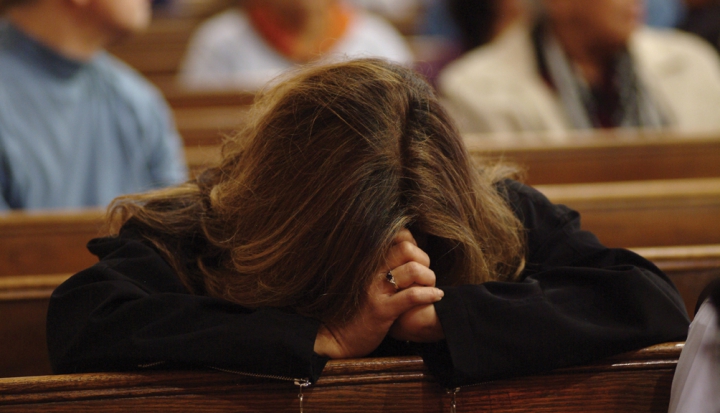
Pain has a way of affecting every part of a person’s life. Whether it comes from addiction, anxiety, depression, trauma, grief, or other mental health challenges, emotional suffering often extends far beyond the mind. It can impact relationships, physical health, self-worth, and spiritual well-being. For many individuals, the journey toward healing feels overwhelming, especially when they are trying to navigate it alone.

At Sanctuary Church, healing is viewed through a whole-person lens. Rather than focusing solely on symptoms, the church embraces a compassionate, faith-based approach that addresses the mind, body, and spirit together. Through personalized mental health treatment, addiction recovery services, inpatient and outpatient care, and spiritual support, individuals are empowered to move beyond their pain and discover renewed purpose, hope, and healing.

Understanding Whole-Person Healing

Mental health and addiction challenges rarely exist in isolation. Emotional struggles often affect physical health, relationships, daily functioning, and spiritual connection. Likewise, spiritual distress can influence emotional wellness and recovery outcomes.

Whole-person healing recognizes these connections and seeks to restore balance across every area of life. Instead of treating only one aspect of a person’s struggle, this approach supports comprehensive recovery that addresses the root causes of pain while building a foundation for lasting wellness.

At Sanctuary Church, whole-person healing includes:

  • Professional mental health treatment
  • Addiction recovery support
  • Faith-based counseling and spiritual guidance
  • Community connection and peer support
  • Healthy lifestyle and wellness practices

By integrating these elements, individuals can experience meaningful transformation that extends beyond temporary relief.

The Relationship Between Faith and Mental Health

Faith can be a powerful source of strength during difficult times. It offers hope when circumstances seem uncertain and provides comfort during moments of fear, loneliness, and despair. However, mental health challenges often require more than spiritual encouragement alone.

Sanctuary Church believes that faith and professional care work best when they complement one another. Mental health treatment provides evidence-based tools and strategies, while faith offers purpose, resilience, and a deeper sense of hope.

Breaking the Stigma Around Seeking Help

One of the barriers many people face is the belief that asking for help reflects weakness or a lack of faith. In reality, reaching out for support is often one of the strongest steps a person can take.

Seeking counseling, therapy, or addiction treatment does not diminish faith. Instead, it can be an important part of stewarding one’s emotional, physical, and spiritual health. Sanctuary Church encourages individuals to embrace both professional care and spiritual growth as valuable components of recovery.

Comprehensive Addiction Recovery and Mental Health Care

Every person’s journey is unique. That is why Sanctuary Church supports individualized treatment plans designed to meet people where they are and help them move forward at a pace that supports lasting recovery.

Inpatient Programs for Intensive Healing

For individuals facing severe addiction or complex mental health concerns, inpatient care provides a structured environment focused on healing and stabilization.

Inpatient treatment may include:

  • Individual counseling and therapy
  • Group support sessions
  • Mental health assessments
  • Relapse prevention planning
  • Faith-based guidance and spiritual encouragement

This level of care allows individuals to focus fully on recovery while receiving comprehensive support.

Outpatient Programs for Continued Growth

Many individuals benefit from outpatient treatment that allows them to maintain family, work, or educational responsibilities while continuing their recovery journey.

Outpatient care offers:

  • Ongoing counseling and therapy
  • Accountability and support
  • Skill-building for daily challenges
  • Continued spiritual development

This flexible option helps individuals strengthen recovery skills while applying them in everyday life.

The Power of Community in Healing

Healing often begins when isolation ends. Addiction and mental health struggles frequently create feelings of loneliness and disconnection. Community provides an antidote to that isolation.

Sanctuary Church fosters a welcoming environment where individuals can experience acceptance, encouragement, and meaningful connection. Through church involvement, support groups, and faith-centered relationships, people are reminded that they do not have to face their challenges alone.

Why Community Matters

A supportive community can help individuals:

  • Build healthy relationships
  • Stay motivated during recovery
  • Develop accountability
  • Reduce feelings of shame and isolation
  • Strengthen emotional and spiritual resilience

Recovery is often more sustainable when people feel connected to others who genuinely care about their well-being.

Practical Steps Toward Purpose and Healing

Moving from pain to purpose happens one step at a time. While every recovery journey is unique, several practices can support growth and healing:

Seek Professional Support

Working with trained mental health and addiction professionals provides valuable guidance, tools, and treatment options.

Strengthen Spiritual Habits

Prayer, worship, scripture study, and reflection can help nurture spiritual wellness and provide encouragement during difficult seasons.

Prioritize Physical Health

Healthy sleep, regular exercise, proper nutrition, and stress management all contribute to improved mental and emotional well-being.

Stay Connected

Building relationships within a supportive church community can provide encouragement, accountability, and hope throughout the recovery process.

Finding Purpose Beyond the Pain

One of the most powerful aspects of recovery is discovering that pain does not have to define the future. While past experiences may shape a person’s story, they do not determine the final outcome.

Through compassionate care, faith-based support, and professional treatment, individuals can develop resilience, find renewed purpose, and create a healthier future. The journey may not always be easy, but healing is possible when people are given the support they need to grow emotionally, spiritually, and physically.

Conclusion

Mental health challenges and addiction can leave people feeling broken, discouraged, and disconnected. Yet healing becomes possible when care addresses the whole person. Sanctuary Church provides a compassionate approach that integrates faith, mental health treatment, addiction recovery services, and community support to help individuals move from pain to purpose.

If you or someone you love is struggling with addiction or mental health concerns, there is hope. Reaching out for help is not a sign of weakness. It is the beginning of healing. With personalized care, spiritual guidance, and a supportive community, lasting recovery and renewed purpose are within reach.

Healing the Broken: How the Church Supports Mental Health, Addiction Recovery, and Spiritual Restoration

Healing from addiction, trauma, and mental health challenges is rarely a straight path. For many people, it begins in a place of pain, confusion, and isolation where hope feels distant. Sanctuary Church provides a compassionate, faith-based approach that meets individuals in that place and walks with them toward recovery. By integrating mental health treatment, addiction recovery services, and spiritual care, the church supports healing of the mind, body, and spirit in a way that is both practical and deeply personal.

Understanding Healing Beyond Brokenness

Brokenness is not just a spiritual or emotional experience. It often affects every part of life, including relationships, physical health, decision-making, and self-worth. Sanctuary Church recognizes that true healing must address the whole person rather than focusing on symptoms alone.

This approach to recovery is built on the understanding that:

  • Emotional pain and addiction are often deeply connected
  • Mental health struggles require both clinical and spiritual support
  • Healing takes time, structure, and consistent care
  • Community plays a key role in long-term recovery

When these elements come together, individuals are given a real opportunity to rebuild their lives with stability and purpose.

The Church’s Role in Mental Health and Recovery

Churches have long served as places of refuge, support, and belonging. Today, they continue to play an important role in mental health and addiction recovery by offering both spiritual encouragement and practical assistance.

Sanctuary Church provides a safe and welcoming environment where individuals can seek help without judgment. This combination of faith and care helps bridge the gap between emotional struggle and meaningful recovery.

Church-based support can help individuals:

  • Feel less isolated during difficult seasons
  • Find hope and meaning in their recovery journey
  • Build supportive relationships within a caring community
  • Strengthen emotional resilience through faith

Integrated Mental Health and Addiction Recovery Services

Sanctuary Church offers structured programs designed to meet individuals at different stages of their healing journey. Each level of care is personalized to ensure that support is effective and sustainable.

Inpatient Care for Intensive Support

Inpatient programs provide a structured environment where individuals can focus completely on recovery. This level of care is especially important for those facing severe addiction or significant mental health challenges.

Inpatient treatment includes:

  • 24/7 support in a safe environment
  • Individual and group therapy sessions
  • Trauma-informed counseling and care
  • Spiritual guidance and reflection

This immersive setting allows individuals to stabilize and begin rebuilding their lives with professional and spiritual support.

Outpatient Care for Continued Recovery

Outpatient programs provide flexibility for individuals who are ready to continue healing while returning to their daily responsibilities. This ongoing support helps reinforce recovery skills in real-life situations.

Outpatient care focuses on:

  • Continued mental health counseling
  • Relapse prevention strategies
  • Development of coping and life skills
  • Group support and accountability

This approach helps individuals maintain progress while staying connected to care and community.

Holistic Healing for Mind, Body, and Spirit

Sanctuary Church believes that true restoration requires attention to every part of a person’s life. Mental, physical, and spiritual health are deeply connected, and healing is strongest when all three are supported together.

Holistic care may include:

  • Individual counseling and therapy
  • Faith-based mentorship and spiritual direction
  • Stress management and emotional regulation techniques
  • Healthy lifestyle support such as nutrition and wellness habits

This well-rounded approach helps individuals build a balanced and sustainable foundation for recovery.

The Importance of Community in Healing

Isolation often makes mental health struggles and addiction worse. Community, on the other hand, provides connection, accountability, and encouragement. Sanctuary Church creates an environment where individuals are welcomed, supported, and valued.

Within this community, individuals experience:

  • Emotional support during difficult moments
  • Encouragement from shared experiences
  • Accountability in recovery goals
  • A sense of belonging and purpose

Healing becomes stronger when it is shared with others who understand the journey.

Practical Steps Toward Healing and Restoration

Individuals who are ready to begin their recovery journey can take meaningful steps forward:

  1. Reach out for professional counseling or faith-based support
  2. Join a recovery group or church community program
  3. Establish daily routines that support emotional and physical health
  4. Engage in spiritual practices such as prayer, reflection, or meditation

Even small steps can lead to meaningful change over time.

Conclusion: A Path Toward Healing and Wholeness

Healing the broken requires more than treatment alone. It requires compassion, structure, faith, and community. Sanctuary Church provides an integrated approach to mental health, addiction recovery, and spiritual restoration that supports the whole person.

If you or someone you love is struggling with mental health challenges or addiction, you do not have to face it alone. Reaching out to Sanctuary Church can be the first step toward healing, restoration, and a renewed sense of hope for the future.

From Brokenness to Wholeness: The Church’s Role in Mental Health, Recovery, and Spiritual Renewal

Brokenness can take many forms. It may show up as addiction, anxiety, depression, trauma, or a quiet sense of emptiness that is hard to explain. For many individuals, these struggles feel overwhelming and isolating. Sanctuary Church offers a compassionate path forward by integrating mental health treatment, addiction recovery services, and spiritual care. Through this holistic approach, individuals are supported in moving from brokenness to wholeness, restoring the mind, body, and spirit together.

Understanding the Journey from Brokenness to Wholeness

Recovery is not simply about removing symptoms or stopping harmful behaviors. It is about rebuilding a life that feels stable, meaningful, and connected. Sanctuary Church recognizes that true healing requires attention to emotional health, physical well-being, and spiritual renewal.

Many individuals facing mental health challenges or addiction also struggle with identity, shame, and disconnection. A holistic, faith-based approach helps address these deeper issues while providing practical tools for recovery.

This journey focuses on:

  • Emotional healing and stability
  • Breaking cycles of addiction and harmful patterns
  • Restoring spiritual connection and purpose
  • Building healthy coping skills for daily life

The Church’s Role in Mental Health and Recovery

Churches have long served as places of hope, support, and community. Today, they also play an important role in mental health and addiction recovery. Sanctuary Church continues this tradition by offering a safe, welcoming environment where individuals can seek help without judgment.

Faith-based care works best when combined with professional support. That is why Sanctuary Church integrates spiritual guidance with clinical mental health treatment to create a balanced and effective model of care.

The church supports recovery by:

  • Providing emotional encouragement during difficult seasons
  • Offering a sense of belonging and acceptance
  • Helping individuals find meaning and purpose
  • Supporting long-term recovery through community connection

Comprehensive Mental Health and Addiction Recovery Services

Sanctuary Church provides structured, individualized programs designed to meet people where they are in their recovery journey. Each level of care is focused on long-term healing and transformation.

Inpatient Care for Intensive Healing

Inpatient programs provide a safe and structured environment where individuals can step away from daily stressors and focus entirely on recovery. This level of care is especially important for those experiencing severe addiction or acute mental health challenges.

Inpatient care includes:

  • Intensive therapy and counseling
  • Emotional stabilization and crisis support
  • Trauma-informed treatment approaches
  • Spiritual reflection and guidance

This immersive environment helps individuals establish a strong foundation for recovery.

Outpatient Care for Continued Support

Outpatient programs allow individuals to continue their healing journey while maintaining work, school, or family responsibilities. Through regular counseling and group support, individuals stay connected to their recovery goals.

Outpatient care focuses on:

  • Ongoing mental health treatment
  • Relapse prevention strategies
  • Development of coping and life skills
  • Community support and accountability

This flexible structure supports real-life application of recovery tools.

Holistic Healing for Mind, Body, and Spirit

Sanctuary Church believes that healing must involve the whole person. Emotional, physical, and spiritual health are deeply connected, and each plays a role in lasting recovery.

Holistic care may include:

  • Individual and group counseling
  • Faith-based mentoring and spiritual guidance
  • Mindfulness and stress management practices
  • Healthy lifestyle support such as nutrition and wellness routines

When all aspects of a person’s life are supported, healing becomes more balanced and sustainable.

The Power of Community in Recovery

Isolation can deepen emotional pain and make recovery more difficult. Community provides connection, encouragement, and accountability. Sanctuary Church fosters a supportive environment where individuals are welcomed and supported at every stage of their journey.

Within this community, individuals experience:

  • Emotional support during difficult moments
  • Shared understanding from others in recovery
  • Encouragement and accountability
  • A sense of belonging and purpose

Healing becomes stronger when it is experienced together.

Practical Steps Toward Wholeness

Individuals who are ready to begin their recovery journey can take meaningful steps forward:

  1. Reach out for counseling or faith-based support
  2. Join a recovery group or church community program
  3. Build consistent daily routines that support wellness
  4. Engage in spiritual practices such as prayer or reflection

Even small steps can lead to significant long-term transformation.

Conclusion: A Path Toward Wholeness and Renewal

Moving from brokenness to wholeness is possible with the right support. Sanctuary Church provides a compassionate and professional approach to mental health, addiction recovery, and spiritual renewal. By integrating clinical care, faith-based guidance, and community support, individuals are empowered to rebuild their lives with purpose and hope.

If you or someone you love is struggling with mental health challenges or addiction, you do not have to face it alone. Reaching out to Sanctuary Church can be the first step toward healing, restoration, and lasting spiritual renewal.