
Navigating Mental Health Challenges as a Christian: Finding Strength in Faith and Fellowship

Mental health challenges such as anxiety, depression, and emotional exhaustion affect people from all walks of life—including devoted Christians. Yet, within the church, these struggles are often misunderstood, overlooked, or even hidden due to stigma or fear of judgment. As followers of Christ, it’s important to recognize that experiencing mental health difficulties does not mean a lack of faith. In fact, it is often in our darkest moments that our faith and fellowship become lifelines for healing and hope.

Faith Is Not a Barrier—It’s a Bridge

Christianity does not promise a life free from suffering. In fact, Scripture is full of examples of godly people who faced deep emotional pain. David cried out in despair in the Psalms, Job mourned in silence, Elijah asked God to take his life, and even Jesus wept and experienced agony in Gethsemane.

These accounts remind us that struggling mentally and emotionally is not a sign of spiritual weakness—it is part of the human experience. God never condemns us for our pain. Instead, He meets us there. As 2 Corinthians 12:9 says, “My grace is sufficient for you, for my power is made perfect in weakness.” Through prayer, worship, and reflection on God’s Word, Christians can find peace and assurance, even in the midst of emotional turmoil.

The Role of Fellowship in Healing

One of the greatest gifts God has given us in our healing journey is community. Fellowship with other believers provides encouragement, accountability, and understanding. In Galatians 6:2, Paul writes, “Carry each other’s burdens, and in this way you will fulfill the law of Christ.” This kind of support can be life-changing for those facing mental health struggles.

Small groups, church friends, prayer partners, and support ministries offer safe spaces to share openly and honestly. Being vulnerable can be difficult, but authentic fellowship allows people to realize they are not alone—and that others, too, have walked through similar valleys.

Faith and Professional Help Go Hand in Hand

While faith and community are powerful sources of strength, they do not replace professional mental health care. Therapy, counseling, and medication can all play vital roles in a person’s healing journey. Seeking professional help is not a sign of failing to trust God; it is a wise and proactive step toward recovery.

Many Christians find comfort in working with therapists who respect their beliefs and incorporate faith into their treatment plans. When spiritual practices are integrated with evidence-based care, individuals often experience more holistic and lasting healing.

Breaking the Silence

Christians facing mental health challenges often suffer quietly, feeling ashamed or fearing they will be judged. But healing begins with honesty. The church must become a place where mental health can be discussed without fear—where testimonies of both struggle and victory are shared freely.

Conclusion

Navigating mental health challenges as a Christian requires both faith and fellowship. God has never asked His people to walk alone. By leaning on His promises, connecting with others, and seeking the help we need, we can find strength, healing, and renewed hope. In every season—especially the hard ones—God is near, and His people are called to walk with one another toward wholeness.
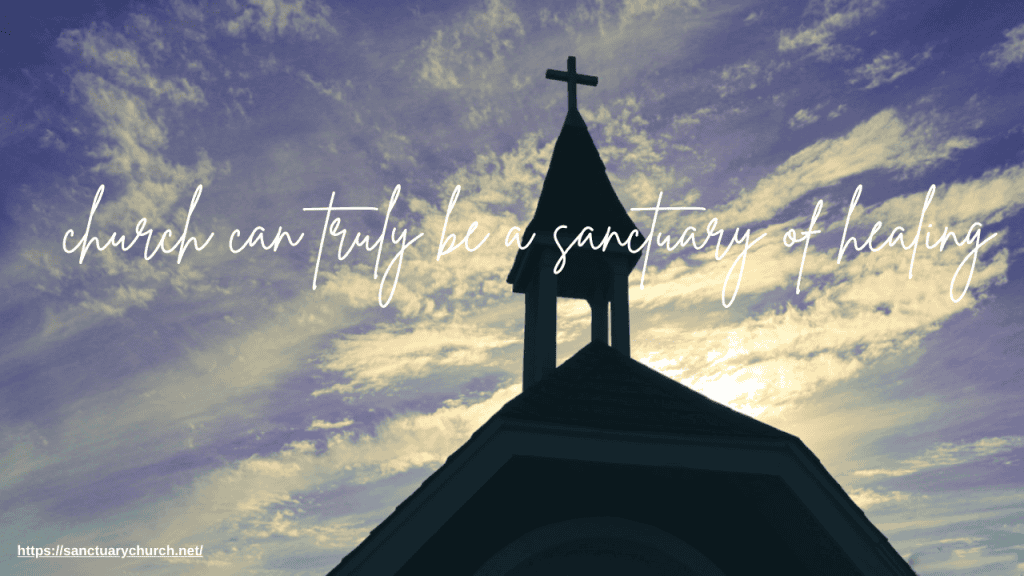
Faith Communities and Trauma Recovery: The Church’s Role in Healing from Emotional Wounds

Trauma is a deep emotional wound caused by distressing or life-altering experiences such as abuse, loss, violence, or neglect. It can leave lasting scars on a person’s mind, body, and spirit. While trauma affects people in many different ways, one common factor is the need for a safe and supportive environment to begin the healing journey. Faith communities—particularly the church—can play a powerful role in trauma recovery when they respond with compassion, wisdom, and grace.

Understanding Trauma Through a Spiritual Lens

Trauma not only disrupts a person’s emotional well-being, but it can also impact their spiritual life. Many trauma survivors wrestle with questions like: Where was God? Why did this happen to me? Can I ever trust again? The church must be sensitive to these spiritual struggles and avoid offering quick answers or simplistic theology that minimizes pain.

Instead, healing begins when churches acknowledge the depth of trauma and affirm that God is near to the brokenhearted. Psalm 34:18 reminds us, “The Lord is close to the brokenhearted and saves those who are crushed in spirit.” This verse is not just comforting—it’s a call for the church to reflect God’s character by drawing near to those who are hurting.

Creating a Safe and Supportive Environment

Faith communities are uniquely positioned to be places of healing because they offer relationships, hope, and a sense of belonging. But to effectively support trauma recovery, churches must be intentional about creating safe, nonjudgmental spaces where people feel seen and heard.

This begins with listening. Trauma survivors often need to share their stories without fear of shame or disbelief. Church leaders and members must commit to listening with empathy and validating the pain without rushing to fix it. Romans 12:15 calls us to “mourn with those who mourn.” That requires patience, humility, and a willingness to sit in the discomfort of another’s pain.

Integrating Faith and Professional Help

While spiritual support is essential, trauma recovery also often requires professional counseling. Churches can enhance their care by partnering with Christian therapists, hosting support groups, and offering resources that integrate faith and psychology. Encouraging members to seek therapy is not a sign of spiritual failure—it is an act of courage and wisdom.

Pastoral care teams should be equipped to recognize signs of trauma and know when to refer individuals to trained professionals. Just as we would not hesitate to send someone to a doctor for a broken bone, we should not hesitate to encourage professional help for emotional wounds.

The Church as a Healing Community

Ultimately, the church’s greatest strength in trauma recovery lies in its ability to be a consistent, loving community. Through prayer, discipleship, worship, and acts of service, the church reminds survivors that they are not alone, and that God is still writing their story. Healing is rarely quick or linear, but in a supportive church community, survivors can experience hope, restoration, and the transforming love of Christ.

Conclusion

Faith communities have a vital role in the recovery of those impacted by trauma. By combining spiritual care with emotional understanding and professional support, the church can truly be a sanctuary of healing. When we carry one another’s burdens in love, we become living expressions of God’s grace and compassion in a broken world.