
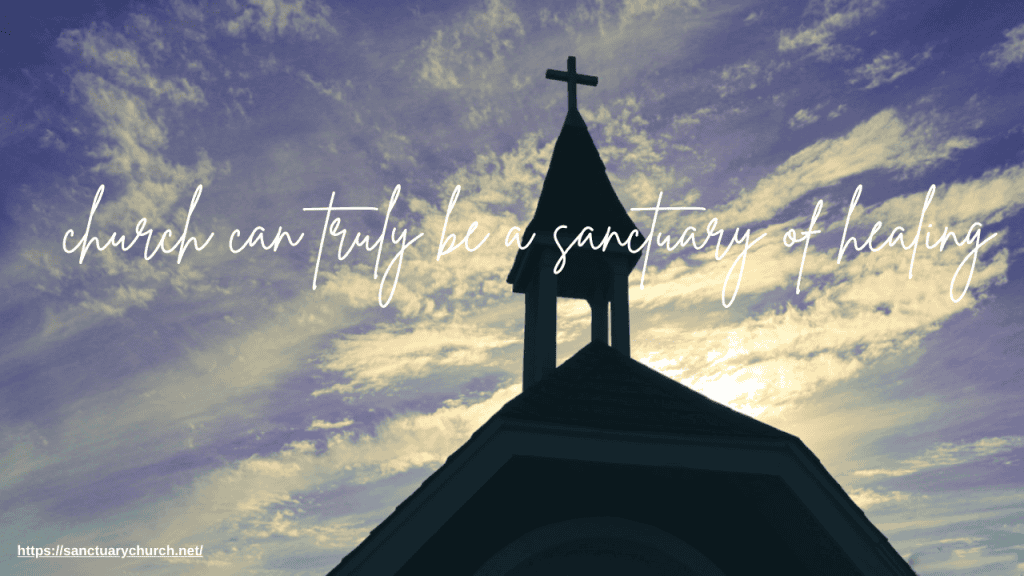
Trauma is a deep emotional wound caused by distressing or life-altering experiences such as abuse, loss, violence, or neglect. It can leave lasting scars on a person’s mind, body, and spirit. While trauma affects people in many different ways, one common factor is the need for a safe and supportive environment to begin the healing journey. Faith communities—particularly the church—can play a powerful role in trauma recovery when they respond with compassion, wisdom, and grace.
Understanding Trauma Through a Spiritual Lens
Trauma not only disrupts a person’s emotional well-being, but it can also impact their spiritual life. Many trauma survivors wrestle with questions like: Where was God? Why did this happen to me? Can I ever trust again? The church must be sensitive to these spiritual struggles and avoid offering quick answers or simplistic theology that minimizes pain.
Instead, healing begins when churches acknowledge the depth of trauma and affirm that God is near to the brokenhearted. Psalm 34:18 reminds us, “The Lord is close to the brokenhearted and saves those who are crushed in spirit.” This verse is not just comforting—it’s a call for the church to reflect God’s character by drawing near to those who are hurting.
Creating a Safe and Supportive Environment
Faith communities are uniquely positioned to be places of healing because they offer relationships, hope, and a sense of belonging. But to effectively support trauma recovery, churches must be intentional about creating safe, nonjudgmental spaces where people feel seen and heard.
This begins with listening. Trauma survivors often need to share their stories without fear of shame or disbelief. Church leaders and members must commit to listening with empathy and validating the pain without rushing to fix it. Romans 12:15 calls us to “mourn with those who mourn.” That requires patience, humility, and a willingness to sit in the discomfort of another’s pain.
Integrating Faith and Professional Help
While spiritual support is essential, trauma recovery also often requires professional counseling. Churches can enhance their care by partnering with Christian therapists, hosting support groups, and offering resources that integrate faith and psychology. Encouraging members to seek therapy is not a sign of spiritual failure—it is an act of courage and wisdom.
Pastoral care teams should be equipped to recognize signs of trauma and know when to refer individuals to trained professionals. Just as we would not hesitate to send someone to a doctor for a broken bone, we should not hesitate to encourage professional help for emotional wounds.
The Church as a Healing Community
Ultimately, the church’s greatest strength in trauma recovery lies in its ability to be a consistent, loving community. Through prayer, discipleship, worship, and acts of service, the church reminds survivors that they are not alone, and that God is still writing their story. Healing is rarely quick or linear, but in a supportive church community, survivors can experience hope, restoration, and the transforming love of Christ.
Conclusion
Faith communities have a vital role in the recovery of those impacted by trauma. By combining spiritual care with emotional understanding and professional support, the church can truly be a sanctuary of healing. When we carry one another’s burdens in love, we become living expressions of God’s grace and compassion in a broken world.