
Breaking the Silence: How Churches Can Normalize Mental Health Conversations

Faith and Openness: The Beginning of Healing

Mental health is one of the most pressing issues of our time, yet in many faith communities, it remains difficult to talk about. For some, the idea of struggling emotionally feels like a sign of weak faith or lack of trust in God. These misconceptions can lead to silence, isolation, and shame—especially for those battling addiction, depression, or anxiety. At Sanctuary Church, we believe that faith and mental health care are not in conflict but are powerful allies in the journey toward healing. Breaking the silence within churches is the first step to creating communities that reflect Christ’s compassion, understanding, and grace.

Understanding the Stigma Around Mental Health

For generations, mental health struggles were often hidden behind closed doors. Many Christians were taught to simply “pray it away,” leaving individuals to face complex emotional challenges alone. This mindset can unintentionally create an environment where people fear judgment instead of finding hope.

The reality is that mental health is a vital part of overall well-being. Just as the church encourages physical health through rest and nourishment, it should also support emotional and psychological care. Addressing mental health openly does not weaken faith—it strengthens it by promoting honesty, vulnerability, and connection within the body of Christ.

How Churches Can Lead the Way

When churches begin to talk openly about mental health, they send a powerful message: that it’s okay to not be okay and that seeking help is a courageous act of faith.

1. Educate and Equip Leaders

Pastors and ministry leaders can benefit from learning how to recognize signs of emotional distress or addiction. Partnering with mental health professionals helps leaders guide members toward the right kind of care—whether that’s prayer, pastoral support, or professional counseling.

2. Incorporate Mental Health into Sermons and Ministries

Regularly addressing mental health topics during sermons, Bible studies, and youth programs normalizes the conversation. It helps members understand that emotional struggles are not a lack of faith but a human experience that God can redeem.

3. Create Safe, Supportive Spaces

Churches can form small groups or support ministries where individuals can share their experiences without fear of judgment. A compassionate listening ear can often be the bridge that encourages someone to seek deeper healing through counseling or treatment.

The Role of Faith in Emotional Recovery

Faith brings hope, purpose, and strength—but it works best when paired with practical support. Many individuals dealing with addiction or trauma find that prayer and therapy together offer the most effective path to lasting recovery. Sanctuary Church integrates both, offering holistic programs that honor spiritual beliefs while addressing the mental and emotional realities of each person’s journey.

Through inpatient and outpatient care, addiction recovery services, and personalized mental health treatment, our team helps individuals rebuild their lives through faith, compassion, and professional guidance. This balanced approach ensures that no one walks the path of healing alone.

Moving from Silence to Support

Normalizing mental health conversations in faith communities requires courage and commitment, but the reward is life-changing. When churches create spaces where people feel safe to share their struggles, healing becomes possible. By combining biblical compassion with clinical understanding, the church becomes not just a place of worship but a sanctuary for the soul.

Take the Next Step Toward Healing

If you or someone you love is struggling with addiction, depression, or emotional pain, Sanctuary Church is here to help. Our faith-based mental health programs provide holistic, individualized care that nurtures the body, mind, and spirit.

Together, we can break the silence, replace stigma with support, and build communities that reflect God’s healing love in every conversation. Reach out to Sanctuary Church today and discover the strength that comes from walking in faith and seeking help with courage and hope.
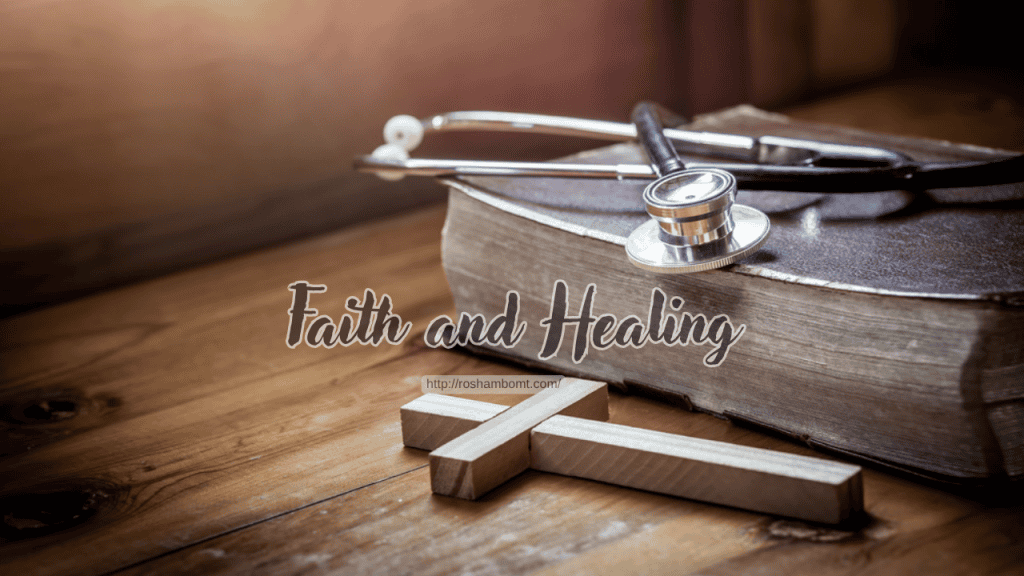

God’s Peace and Professional Guidance: A Balanced Approach to Emotional Well-being

Faith and Healing Working Together

Emotional well-being is a vital part of living a full and meaningful life. Yet for many people of faith, seeking help for emotional or mental health challenges can be confusing. Some rely solely on prayer, while others turn only to professional therapy. The truth is that both are essential. At Sanctuary Church, the goal is to help individuals find balance between God’s peace and professional guidance, combining spiritual growth with evidence-based care to support lasting recovery and emotional wellness.

Understanding the Need for Balance

Faith gives people strength to face adversity, but emotional healing often requires more than prayer alone. Mental health challenges like depression, anxiety, or addiction involve both spiritual and psychological dimensions. Ignoring either side can leave individuals feeling incomplete in their healing journey.

Professional counseling, guided by compassion and clinical expertise, helps address the root causes of distress while equipping individuals with practical coping skills. When combined with faith and prayer, therapy becomes part of a holistic healing process that aligns with God’s design for total well-being.

How Faith Complements Therapy

Faith offers meaning, comfort, and hope in the darkest times. It reminds individuals that they are not alone and that their struggles do not define them. Prayer connects the heart to God, creating space for peace and reflection. Yet therapy provides something equally valuable: understanding and structure.

The Benefits of Integrating Both

  • Deeper self-awareness: Faith encourages introspection, while therapy provides tools to understand emotions and behaviors.
  • Healthy coping strategies: Prayer strengthens spiritual resilience, and counseling teaches practical methods for managing stress and triggers.
  • Healing from trauma: Faith restores purpose, and therapy helps process painful experiences in a safe environment.
  • Long-term recovery: Together, they create a foundation for emotional stability, spiritual renewal, and personal growth.

Sanctuary Church’s holistic programs honor both the power of prayer and the importance of professional care, helping clients rebuild their lives through compassion, faith, and science-based treatment.

The Role of the Church in Emotional Healing

Churches play an essential role in guiding individuals toward balanced healing. By promoting open conversations about mental health and providing access to faith-based counseling, churches can bridge the gap between spiritual guidance and clinical care.

At Sanctuary Church, this mission is at the heart of every program. Whether through inpatient treatment, outpatient therapy, or addiction recovery support, each plan is tailored to meet the unique needs of every individual. Faith remains central, but professional counseling ensures that emotional and mental health are given the same care and attention as the spiritual journey.

Finding God’s Peace Through Professional Guidance

There is no shame in seeking help. In fact, asking for help is an act of faith—a recognition that God often works through skilled counselors, doctors, and mental health professionals. True healing often comes through collaboration: prayer to connect with God’s peace, and therapy to address the challenges that weigh on the heart and mind.

When individuals embrace both, they open the door to transformation. God’s peace becomes the foundation, and professional support becomes the framework that helps build a healthy, fulfilling life.

A Call to Begin the Journey

If you are struggling with emotional pain, addiction, or mental health challenges, you do not have to walk the road alone. Sanctuary Church offers holistic, faith-based programs designed to heal the whole person—spiritually, emotionally, and physically.

Through a compassionate blend of faith and professional care, healing becomes possible, peace becomes sustainable, and recovery becomes real. Reach out to Sanctuary Church today to discover how prayer and professional guidance can work together to bring lasting emotional well-being.

Mental Health and Ministry: When Pastoral Care Needs Professional Partnership

Faith, Compassion, and the Limits of Pastoral Care

Pastors and ministry leaders often serve on the front lines of emotional and spiritual support. They pray with the hurting, guide those in crisis, and walk beside people through life’s most difficult moments. Yet even the most dedicated pastoral care cannot always address the complex realities of mental health challenges or addiction. That is where professional partnership becomes essential. At Sanctuary Church, the goal is to bridge faith and clinical care, creating a path where spiritual guidance and mental health treatment work hand in hand to promote lasting healing.

Recognizing the Boundaries of Ministry

Pastors are trusted voices within their communities. They offer wisdom, comfort, and biblical truth to those seeking help. However, ministry alone is not always enough to meet the needs of someone facing severe depression, trauma, or substance use disorder. These conditions often require specialized treatment, therapy, and medical oversight that go beyond the scope of pastoral counseling.

Recognizing these limits is not a failure of faith but an act of stewardship. Just as a pastor might refer a congregant to a doctor for physical illness, referring someone to a licensed therapist or treatment center is a vital part of caring for their overall well-being.

Why Professional Partnership Strengthens Ministry

When faith leaders collaborate with mental health professionals, they expand the reach and impact of their care. This partnership brings together two vital perspectives: the spiritual and the psychological. Together, they create a more complete understanding of a person’s needs and help develop a recovery plan that nurtures both soul and mind.

The Benefits of Collaboration

  • Holistic healing: Combining spiritual support with clinical treatment addresses the whole person—body, mind, and spirit.
  • Early intervention: Pastors often identify emotional struggles early, allowing for timely referrals to professional care.
  • Reduced stigma: When church leaders speak openly about therapy, they help normalize mental health care within faith communities.
  • Stronger recovery outcomes: Clients who receive both pastoral and professional support often report greater emotional stability and spiritual growth.

At Sanctuary Church, this integrative approach reflects a commitment to treating every individual with compassion, respect, and personalized care.

Creating a Safe Space for Healing

Many people in faith communities hesitate to seek professional help because they fear judgment or feel their struggles reflect a lack of faith. Sanctuary Church encourages a different message: that seeking help is a sign of strength and trust in God’s provision. Professional counseling, therapy, and addiction recovery programs are not replacements for faith but instruments through which God can bring healing.

Pastors and counselors can work together to ensure that spiritual care and professional treatment complement each other rather than compete. Through prayer, counseling, and structured treatment, individuals can find both emotional restoration and renewed spiritual purpose.

Training and Awareness in the Church

For churches to effectively support mental health, education is key. Pastors and ministry teams benefit from training in mental health awareness, trauma-informed care, and recognizing the signs of addiction or emotional distress. Building connections with local treatment centers, such as Sanctuary Church’s inpatient and outpatient programs, allows for smooth and compassionate referrals when deeper care is needed.

By equipping church leaders with knowledge and resources, the faith community becomes a place of safety and understanding rather than silence and stigma.

Walking Together Toward Wholeness

Healing does not happen in isolation. When pastoral care joins hands with professional therapy, individuals experience a fuller picture of God’s grace at work in their lives. Sanctuary Church offers a holistic, faith-based model that integrates prayer, clinical expertise, and community support to promote long-term recovery and emotional wellness.

If you or someone you love is struggling with addiction, depression, or other mental health challenges, know that help is available. Reach out to Sanctuary Church today to learn how faith-based counseling and professional care can work together to restore hope and healing.