
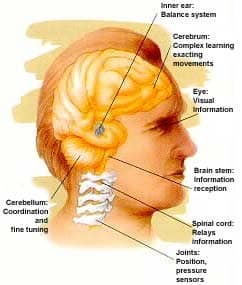
 Alcohol and barbiturates are the most commonly used central nervous system (CNS) depressants. As depressants, they slow down the activity of the CNS. Because these drugs slow down the activity of the CNS, they are particularly dangerous when mixed with other CNS depressants. Such mixing of barbiturates or an overdose of barbiturates can slow the CNS down so much that a coma is induced.
Alcohol is probably the most commonly used drug in the world. So much so, that many people don’t even think of alcohol as a drug. Despite this perception, alcohol does in fact have an effect on both the body and the brain. In the short term, alcohol use results in lowered coordination; slurred speech; staggering; fast heartbeat; drowsiness; delusions; memory loss; confusion; paranoia; decreased inhibition; poor judgement and increased urine production. Alcohol can make the user either irritable or euphoric. Long-term use of alcohol can result in acid reflux; ulcers; cirrhosis of the liver; impotence; high blood pressure; slow reflexes and bone calcium loss.
Barbiturates are a class of drugs based on barbituric acid. They are often known as ‘downers’. Some of the more common barbiturates are memberal and luminal. These drugs are commonly used to treat such disorders as epilepsy, insomnia and seizures. Barbiturates can relax muscles and result in sleepiness; slow heart rate; dizziness; reduced feelings of anxiety and double vision. Barbiturates can also produce euphoria at high doses. Sustained use may cause nausea; constipation; hypertension; apnea; mood swings; nervousness; confusion; nightmares; hallucinations; depressed breathing and fetal abnormality. When combined with alcohol, barbiturates can lead to coma, signified by clammy skin and rapid, shallow breaths.
Both alcohol and barbiturates should be used with care and discretion. In fact, barbiturates are much less common at the present time, having been replaced by safer options. They are still used on occasion as surgical anesthesia or to treat epilepsy. Because these drugs are used so seldom, addiction to barbiturates is rare. The primary danger with barbiturates is the risk of coma when they are combined with alcohol.
A government fact sheet on CNS depressants is available at: file:///C:/Users/Charlie/AppData/Local/Microsoft/Windows/INetCache/IE/H9ZX61B5/Depressants.pdf