Beyond the Altar: When Prayer Meets Therapy in Mental Health Recovery

Finding Strength in Both Faith and Professional Care

For many individuals facing addiction or mental health challenges, the journey to healing can feel overwhelming. Prayer has long been a source of strength, comfort, and hope for those in faith communities. At the same time, therapy offers evidence-based tools and strategies to address the psychological and emotional roots of these struggles. When prayer and therapy come together, they create a powerful, holistic path toward recovery that heals the mind, body, and spirit.

Sanctuary Church understands that lasting transformation requires more than addressing symptoms. It involves nurturing the whole person through faith-based care, professional treatment, and unwavering community support.

Why Prayer Matters in Recovery

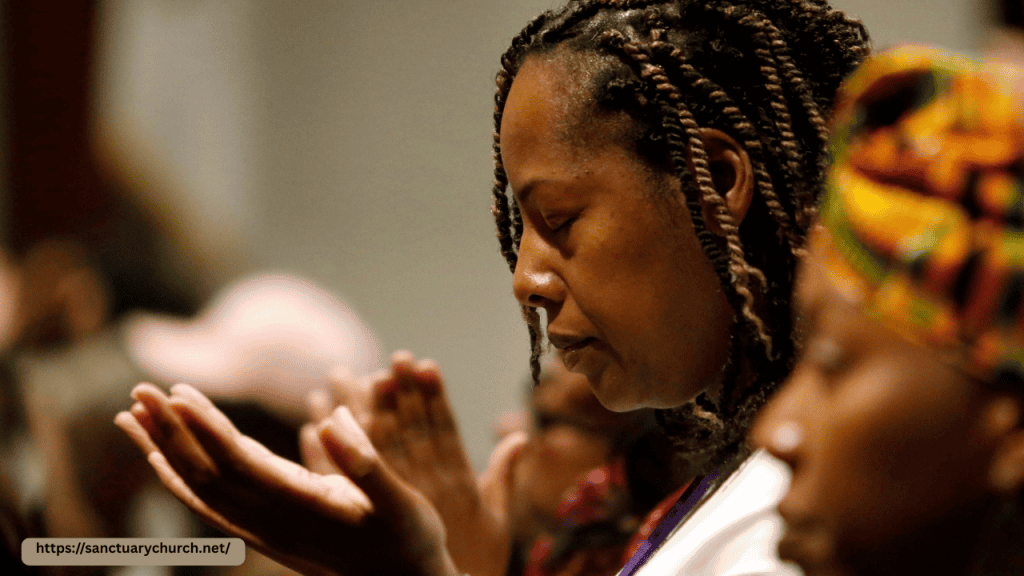
Prayer is more than a ritual. For many, it is a lifeline to peace, purpose, and resilience. In addiction recovery and mental health treatment, prayer can help individuals:

  • Find comfort in moments of anxiety or doubt
  • Build a sense of hope for the future
  • Develop a deeper connection with God
  • Strengthen spiritual identity and belonging

In the darkest moments, prayer reminds individuals that they are never truly alone. It becomes a spiritual anchor that supports emotional healing.

The Role of Therapy in Healing

While prayer provides spiritual grounding, therapy addresses the practical and emotional challenges of recovery. Professional counseling helps individuals:

  • Understand the root causes of addiction or mental distress
  • Learn healthy coping strategies
  • Process trauma in a safe and guided environment
  • Build confidence in making healthy life decisions

Therapy offers structure, accountability, and proven techniques that complement the spiritual renewal found in prayer.

Integrating Prayer and Therapy

Healing is most effective when faith and professional care work hand in hand. At Sanctuary Church, this integrated approach might look like:

  • Individual counseling sessions that incorporate prayer and Scripture-based reflection
  • Group therapy within a supportive church community
  • Workshops that combine mental health education with spiritual growth
  • Encouragement from both licensed professionals and faith leaders

This balance ensures that recovery is not just about overcoming a problem but about building a stronger, more fulfilled life rooted in faith.

Breaking the Stigma in Faith Communities

Unfortunately, mental health challenges are sometimes misunderstood within religious settings. By openly combining prayer with therapy, churches can break down barriers, showing that seeking professional help is a sign of strength, not a lack of faith. Sanctuary Church leads with compassion, creating a safe space where every person is treated with dignity and understanding.

Taking the First Step

If you or a loved one is struggling with addiction or mental health challenges, you do not have to choose between faith and therapy. True healing often comes when the two work together. Sanctuary Church offers individualized, holistic, and faith-based care designed to support you every step of the way.

Reach out today and begin your journey beyond the altar, where spiritual renewal and professional guidance meet to transform lives.

Faith and Mental Health: Bridging the Gap Between Spiritual Practice and Professional Care

Mental health challenges such as depression, anxiety, and trauma affect people across all walks of life—including those in faith communities. While spiritual practices like prayer, worship, and scripture reading offer comfort and strength, they are not always enough on their own to address the full scope of emotional and psychological struggles. Bridging the gap between faith and mental health care is essential to supporting the well-being of the whole person.

The Divide Between Faith and Mental Health

In some faith communities, there remains an unspoken divide between spiritual practice and professional mental health support. Individuals facing emotional challenges may be told to “just pray more,” “have stronger faith,” or “let go and let God.” While these responses are well-intentioned and rooted in belief, they can leave people feeling dismissed, guilty, or ashamed for struggling.

Mental health conditions are not signs of weak faith. They are legitimate health issues that may stem from chemical imbalances, unresolved trauma, prolonged stress, or personal loss. Just as faith and science are not at odds, neither are prayer and therapy. In fact, they can and should work hand in hand to promote healing and growth.

Spiritual Practice as a Source of Strength

Faith offers a strong foundation for mental and emotional resilience. Practices such as prayer, meditation, scripture reading, and worship help individuals find meaning, peace, and hope. These spiritual disciplines remind believers of God’s presence, love, and sovereignty, even in the darkest moments.

Psalm 34:18 reminds us, “The Lord is close to the brokenhearted and saves those who are crushed in spirit.” For many, this promise becomes a source of strength and comfort when life feels overwhelming. But while faith provides spiritual grounding, it is not a substitute for therapy or medical intervention when needed.

The Role of Professional Mental Health Care

Therapists, counselors, and mental health professionals offer tools, techniques, and safe spaces to process emotional pain. Therapy can help individuals recognize patterns, heal from trauma, and develop healthy coping strategies. Medication, when necessary, can restore chemical imbalances that hinder emotional stability.

Christian counseling is one option that blends clinical expertise with biblical values. These professionals are trained to address both psychological and spiritual needs, offering holistic care that respects the client’s faith background.

Bridging the Gap in the Church

Churches and faith communities can play a critical role in bridging the gap between spiritual practice and mental health care by:

  • Normalizing mental health conversations from the pulpit and in small groups
  • Encouraging members to seek professional help when needed without shame
  • Partnering with Christian counselors or local mental health organizations
  • Creating ministries or support groups focused on emotional and spiritual well-being

When the church embraces both faith and mental health care, it becomes a place where people can truly heal—body, mind, and soul.

Conclusion

Faith and mental health care are not in conflict—they are allies in the journey toward wholeness. By bridging the gap between spiritual practices and professional support, individuals can find the strength to face life’s challenges and the support they need to heal. The result is a more compassionate, equipped, and spiritually healthy community.

Healing the Whole Person: Why Prayer and Therapy Work Better Together

When it comes to emotional and mental health, many people of faith wonder whether they should rely on prayer, therapy, or both. For some, spiritual practices are seen as the ultimate solution, while others turn exclusively to counseling and medical care. The truth is, prayer and therapy are not opposing forces—they are complementary tools that can work together to promote holistic healing.

Understanding the Whole Person

Humans are complex beings with physical, emotional, psychological, and spiritual needs. Mental health struggles such as depression, anxiety, or trauma do not just affect one aspect of a person—they impact the whole self. That’s why a whole-person approach to healing is essential.

Prayer nurtures the spirit. It connects individuals to God, provides peace during stressful times, and allows for moments of reflection, surrender, and hope. Therapy, on the other hand, offers practical tools for managing emotions, addressing trauma, and understanding behavior patterns. Together, prayer and therapy address both the spiritual and psychological components of well-being.

The Power of Prayer

For people of faith, prayer is more than just a routine—it is a lifeline. In Philippians 4:6-7, the Bible says, “Do not be anxious about anything, but in every situation, by prayer and petition, with thanksgiving, present your requests to God. And the peace of God…will guard your hearts and your minds in Christ Jesus.” Prayer provides comfort, hope, and a sense of connection to something greater than oneself.

Prayer also reminds individuals that they are not alone in their struggles. It brings spiritual relief and fosters resilience in the face of emotional challenges. However, prayer alone may not resolve underlying mental health conditions, especially those rooted in trauma, chemical imbalances, or prolonged stress.

The Role of Therapy

Therapy addresses the emotional and psychological aspects of suffering. Through counseling, individuals learn to process their thoughts, heal from past wounds, and develop coping strategies. Therapists provide a safe, judgment-free space to talk about fears, anxieties, and painful experiences. Therapy also helps people understand the root causes of their struggles, which can lead to lasting emotional freedom.

Seeking therapy does not indicate a lack of faith—it demonstrates courage and wisdom. Just as we would see a doctor for a physical illness, it’s wise to seek professional help for emotional and mental health concerns.

Why Both Are Better Together

When prayer and therapy are combined, individuals experience more complete healing. Prayer provides spiritual nourishment, while therapy offers practical skills and emotional insight. Many Christian counselors integrate prayer and biblical wisdom into their sessions, helping clients find healing in both their faith and their mental health journey.

Churches and faith communities can support this balanced approach by openly encouraging both prayer and professional mental health care. Removing the stigma around therapy creates a safer, healthier environment for everyone.

Conclusion

Healing the whole person requires both spiritual and psychological care. By embracing both prayer and therapy, individuals can find peace, resilience, and true restoration—mind, body, and spirit. Faith and professional help are not rivals; together, they form a powerful path toward lasting healing.

Navigating Mental Health Challenges as a Christian: Finding Strength in Faith and Fellowship

Mental health challenges such as anxiety, depression, and emotional exhaustion affect people from all walks of life—including devoted Christians. Yet, within the church, these struggles are often misunderstood, overlooked, or even hidden due to stigma or fear of judgment. As followers of Christ, it’s important to recognize that experiencing mental health difficulties does not mean a lack of faith. In fact, it is often in our darkest moments that our faith and fellowship become lifelines for healing and hope.

Faith Is Not a Barrier—It’s a Bridge

Christianity does not promise a life free from suffering. In fact, Scripture is full of examples of godly people who faced deep emotional pain. David cried out in despair in the Psalms, Job mourned in silence, Elijah asked God to take his life, and even Jesus wept and experienced agony in Gethsemane.

These accounts remind us that struggling mentally and emotionally is not a sign of spiritual weakness—it is part of the human experience. God never condemns us for our pain. Instead, He meets us there. As 2 Corinthians 12:9 says, “My grace is sufficient for you, for my power is made perfect in weakness.” Through prayer, worship, and reflection on God’s Word, Christians can find peace and assurance, even in the midst of emotional turmoil.

The Role of Fellowship in Healing

One of the greatest gifts God has given us in our healing journey is community. Fellowship with other believers provides encouragement, accountability, and understanding. In Galatians 6:2, Paul writes, “Carry each other’s burdens, and in this way you will fulfill the law of Christ.” This kind of support can be life-changing for those facing mental health struggles.

Small groups, church friends, prayer partners, and support ministries offer safe spaces to share openly and honestly. Being vulnerable can be difficult, but authentic fellowship allows people to realize they are not alone—and that others, too, have walked through similar valleys.

Faith and Professional Help Go Hand in Hand

While faith and community are powerful sources of strength, they do not replace professional mental health care. Therapy, counseling, and medication can all play vital roles in a person’s healing journey. Seeking professional help is not a sign of failing to trust God; it is a wise and proactive step toward recovery.

Many Christians find comfort in working with therapists who respect their beliefs and incorporate faith into their treatment plans. When spiritual practices are integrated with evidence-based care, individuals often experience more holistic and lasting healing.

Breaking the Silence

Christians facing mental health challenges often suffer quietly, feeling ashamed or fearing they will be judged. But healing begins with honesty. The church must become a place where mental health can be discussed without fear—where testimonies of both struggle and victory are shared freely.

Conclusion

Navigating mental health challenges as a Christian requires both faith and fellowship. God has never asked His people to walk alone. By leaning on His promises, connecting with others, and seeking the help we need, we can find strength, healing, and renewed hope. In every season—especially the hard ones—God is near, and His people are called to walk with one another toward wholeness.

Faith Communities and Trauma Recovery: The Church’s Role in Healing from Emotional Wounds

Trauma is a deep emotional wound caused by distressing or life-altering experiences such as abuse, loss, violence, or neglect. It can leave lasting scars on a person’s mind, body, and spirit. While trauma affects people in many different ways, one common factor is the need for a safe and supportive environment to begin the healing journey. Faith communities—particularly the church—can play a powerful role in trauma recovery when they respond with compassion, wisdom, and grace.

Understanding Trauma Through a Spiritual Lens

Trauma not only disrupts a person’s emotional well-being, but it can also impact their spiritual life. Many trauma survivors wrestle with questions like: Where was God? Why did this happen to me? Can I ever trust again? The church must be sensitive to these spiritual struggles and avoid offering quick answers or simplistic theology that minimizes pain.

Instead, healing begins when churches acknowledge the depth of trauma and affirm that God is near to the brokenhearted. Psalm 34:18 reminds us, “The Lord is close to the brokenhearted and saves those who are crushed in spirit.” This verse is not just comforting—it’s a call for the church to reflect God’s character by drawing near to those who are hurting.

Creating a Safe and Supportive Environment

Faith communities are uniquely positioned to be places of healing because they offer relationships, hope, and a sense of belonging. But to effectively support trauma recovery, churches must be intentional about creating safe, nonjudgmental spaces where people feel seen and heard.

This begins with listening. Trauma survivors often need to share their stories without fear of shame or disbelief. Church leaders and members must commit to listening with empathy and validating the pain without rushing to fix it. Romans 12:15 calls us to “mourn with those who mourn.” That requires patience, humility, and a willingness to sit in the discomfort of another’s pain.

Integrating Faith and Professional Help

While spiritual support is essential, trauma recovery also often requires professional counseling. Churches can enhance their care by partnering with Christian therapists, hosting support groups, and offering resources that integrate faith and psychology. Encouraging members to seek therapy is not a sign of spiritual failure—it is an act of courage and wisdom.

Pastoral care teams should be equipped to recognize signs of trauma and know when to refer individuals to trained professionals. Just as we would not hesitate to send someone to a doctor for a broken bone, we should not hesitate to encourage professional help for emotional wounds.

The Church as a Healing Community

Ultimately, the church’s greatest strength in trauma recovery lies in its ability to be a consistent, loving community. Through prayer, discipleship, worship, and acts of service, the church reminds survivors that they are not alone, and that God is still writing their story. Healing is rarely quick or linear, but in a supportive church community, survivors can experience hope, restoration, and the transforming love of Christ.

Conclusion

Faith communities have a vital role in the recovery of those impacted by trauma. By combining spiritual care with emotional understanding and professional support, the church can truly be a sanctuary of healing. When we carry one another’s burdens in love, we become living expressions of God’s grace and compassion in a broken world.

Biblical Perspectives on Mental Health: What Scripture Says About Emotional Well-being

Mental health is an increasingly important topic in today’s world, affecting people of all ages, backgrounds, and beliefs. For many Christians, understanding mental health through the lens of the Bible can provide comfort, guidance, and healing. Contrary to the idea that the Bible is silent on emotional well-being, Scripture speaks often and clearly about the human experience—including sorrow, anxiety, fear, and hope. By exploring biblical perspectives on mental health, we find not only validation of our struggles but also encouragement to seek healing and support.

Emotional Struggles in the Bible

The Bible is filled with stories of faithful individuals who faced intense emotional battles. King David, described as a man after God’s own heart, openly expressed feelings of despair, fear, and loneliness. In Psalm 38:4, he writes, “My guilt has overwhelmed me like a burden too heavy to bear.” And in Psalm 42:11, he asks, “Why, my soul, are you downcast? Why so disturbed within me?” These verses remind us that even godly people can experience deep emotional pain.

The prophet Elijah also suffered from what we might now recognize as depression. After a great spiritual victory, he fled in fear and prayed that he might die (1 Kings 19:4). God did not rebuke Elijah for his feelings but instead provided rest, food, and gentle encouragement. This moment is a powerful example of God’s compassion for those in emotional distress.

Even Jesus experienced emotional anguish. In the Garden of Gethsemane, He said to His disciples, “My soul is overwhelmed with sorrow to the point of death” (Matthew 26:38). Jesus’ humanity was fully expressed in that moment, showing us that sorrow is not a weakness—it is part of the human experience.

Scripture’s Encouragement for Emotional Well-being

The Bible offers many words of hope and reassurance for those struggling with mental health. Philippians 4:6-7 encourages believers, “Do not be anxious about anything, but in every situation, by prayer and petition, with thanksgiving, present your requests to God.” This passage doesn’t shame anxiety—it provides a pathway toward peace by bringing our concerns to God in prayer.

Isaiah 41:10 reminds us of God’s presence in our struggles: “So do not fear, for I am with you; do not be dismayed, for I am your God.” Scripture repeatedly affirms that God sees our pain, walks with us in our suffering, and offers His peace that surpasses understanding.

Faith and Mental Health Today

Understanding mental health from a biblical perspective does not mean ignoring professional care. In fact, seeking help from a counselor or therapist can be a way of stewarding the body and mind that God has given us. Faith and therapy are not in opposition—they can work together to promote healing.

Conclusion

The Bible acknowledges the complexity of human emotions and speaks to the heart of our mental and emotional well-being. Through the stories of biblical figures and the promises of God’s Word, we find both validation and hope. Emotional struggles do not make someone less spiritual—they make us human. And in our humanity, God meets us with love, grace, and healing.

When Faith Feels Heavy: Supporting Church Members Struggling with Depression and Anxiety

Faith is often described as a source of strength, peace, and joy. But for many church members silently battling depression or anxiety, their faith can feel heavy—a burden rather than a comfort. In Christian communities, these mental health struggles are sometimes misunderstood or minimized, leading people to suffer in silence. The church must become a place of compassion, understanding, and real support for those who are hurting.

The Silent Struggle in the Pew

Every Sunday, people walk into church wearing smiles that mask deep inner battles. They sit through services, serve in ministries, and offer encouraging words, all while dealing with overwhelming sadness, fear, or hopelessness. Depression and anxiety are not always visible, and those who suffer often feel isolated, ashamed, or spiritually inadequate.

Well-meaning churchgoers may offer spiritual advice such as “Just pray more,” “Have more faith,” or “Cast your cares on Jesus.” While these statements are rooted in scripture and offered with love, they can feel dismissive to someone in the depths of depression or panic. It’s crucial to recognize that mental illness is not simply a lack of faith—it is a legitimate health condition that requires both spiritual and professional support.

The Role of the Church

The church should be one of the safest places for people to admit they are struggling. To make that a reality, we must shift our culture from judgment and quick fixes to empathy and long-term support. Here’s how churches can help:

  1. Talk Openly About Mental Health
    Normalize conversations about depression, anxiety, and emotional health from the pulpit and in small groups. When church leaders acknowledge these issues, it helps remove the stigma and encourages others to speak up.
  2. Listen Without Judgment
    Offer a listening ear without rushing to “solve” the issue with a Bible verse or advice. Sometimes, the most Christ-like response is to sit with someone in their pain and remind them they’re not alone.
  3. Connect Members to Resources
    Churches can partner with Christian counselors or local mental health organizations to provide referrals, host workshops, or offer support groups. Recognizing when to recommend professional help is a critical part of effective care.
  4. Offer Consistent Community
    Isolation often worsens mental health challenges. Encouraging authentic community through small groups or support ministries gives struggling individuals a place to belong and be seen.
  5. Reaffirm God’s Grace
    People with depression or anxiety often feel unworthy or broken. The church must continually affirm the truth of God’s grace—that His love is not based on emotional stability, performance, or strength. He meets us in our weakness and never leaves us.

Conclusion

When faith feels heavy, the church can help carry the load. Depression and anxiety are not signs of spiritual failure, but opportunities for the body of Christ to respond with compassion, patience, and grace. By fostering an environment of love and understanding, churches can become sanctuaries of healing for those who need it most. Let us be the hands and feet of Jesus to those who are quietly crying out for help.

Clergy and Mental Health: Addressing Burnout and Emotional Well-being in Ministry

Ministry is a calling that demands compassion, dedication, and sacrifice. Pastors and church leaders often give tirelessly to their congregations, walking with people through grief, crisis, celebration, and spiritual growth. While serving others is deeply rewarding, it can also be emotionally and mentally draining. Sadly, many clergy experience burnout, isolation, and emotional fatigue without the support they need. Prioritizing mental health and emotional well-being is not only essential for clergy—it’s vital for the health of the entire church.

The Hidden Struggles of Ministry

Clergy are expected to be spiritual leaders, counselors, teachers, administrators, and often the first responders to personal or communal crises. They are on call 24/7, carrying the burdens of their congregations while often suppressing their own struggles. Over time, this emotional labor can lead to burnout—a state of physical, emotional, and mental exhaustion caused by prolonged stress.

Signs of burnout among clergy may include chronic fatigue, irritability, depression, anxiety, loss of motivation, and feelings of inadequacy. Some may begin to feel disconnected from their faith or question their calling, while others may withdraw socially or struggle to find joy in ministry. These symptoms, if left unaddressed, can lead to serious health consequences and even cause some to leave ministry altogether.

The Stigma of Seeking Help

Unfortunately, many pastors and ministry leaders hesitate to seek mental health support due to fear of judgment or the perception that their faith is weak. They may feel pressure to appear strong, spiritually grounded, and emotionally resilient at all times. This stigma can create a dangerous cycle of silence and internal suffering.

It’s important for church communities to create an environment where their leaders feel safe to acknowledge their struggles. Recognizing that pastors are human—with emotional needs and limits—is the first step toward healthier leadership.

Encouraging Mental Health in Ministry

To protect and nurture the well-being of clergy, churches must become proactive about supporting their leaders. Here are a few ways to encourage emotional and mental health in ministry:

  1. Promote Rest and Sabbath – Encourage pastors to take regular time off for rest, reflection, and renewal. A healthy rhythm of work and rest is biblical and essential for long-term sustainability in ministry.
  2. Normalize Counseling and Peer Support – Pastors benefit greatly from therapy, spiritual direction, and peer mentoring. Churches can offer financial support for counseling services and provide access to confidential resources.
  3. Establish Healthy Boundaries – Clergy should not be expected to be available at all times. Setting boundaries around work hours, communication, and personal space helps prevent emotional overload.
  4. Create Safe Spaces for Honest Conversations – Church boards and leadership teams should regularly check in with pastors—not just about ministry performance, but about their emotional and mental well-being.

Conclusion

Clergy are often the ones offering care and comfort, but they too need support, rest, and renewal. Addressing mental health and preventing burnout is not a sign of weakness—it is a commitment to sustainable, healthy leadership. When pastors thrive emotionally and spiritually, the entire church benefits. Investing in the well-being of ministry leaders is an investment in the strength and future of the church itself.

Mental Health and Spiritual Warfare: Understanding the Intersection of Faith and Psychology

In many Christian circles, the topic of mental health is often intertwined with the concept of spiritual warfare. Some believe that anxiety, depression, or intrusive thoughts are solely the result of spiritual attacks. Others recognize the psychological and medical components of these struggles. The truth lies in a balanced understanding—mental health challenges can be both spiritual and psychological in nature. To care for individuals fully, churches must approach these issues with compassion, discernment, and a willingness to integrate both faith and science.

What Is Spiritual Warfare?

Spiritual warfare refers to the battle between good and evil—between God’s truth and the enemy’s lies. Ephesians 6:12 states, “For we wrestle not against flesh and blood, but against principalities, against powers, against the rulers of the darkness of this world…” Many Christians believe that Satan works to discourage, deceive, and distract believers, often attacking the mind with fear, shame, or confusion.

In this context, it’s understandable why some equate mental health issues with spiritual warfare. Negative thought patterns, overwhelming anxiety, and feelings of hopelessness can feel like attacks on the soul. Prayer, scripture, and spiritual discernment are important tools for standing firm in faith during such times.

The Psychological Reality of Mental Illness

While spiritual warfare is real, mental illness also has biological, psychological, and emotional causes. Brain chemistry, trauma, genetics, and life experiences all play significant roles in conditions like depression, anxiety disorders, PTSD, and bipolar disorder. These conditions are not simply “spiritual weaknesses” but legitimate health issues that deserve proper diagnosis and treatment.

Reducing all mental health struggles to spiritual warfare can do more harm than good. It may lead individuals to feel ashamed or misunderstood, and it may prevent them from seeking therapy, medication, or professional help. Faith and prayer are essential, but so is understanding the value of counseling and medical support.

Bridging Faith and Psychology

Understanding the intersection of faith and psychology means recognizing that spiritual and mental health support are not mutually exclusive—they can work together. A person can experience both a spiritual battle and a psychological condition at the same time. For example, someone with depression may need therapy and medication, while also battling spiritual lies about their worth or purpose.

Churches can help by offering a balanced response:

  • Educate the Congregation – Teach members the differences between spiritual warfare and mental health disorders. Clarify that seeking therapy is not a lack of faith, but a wise and courageous step.

  • Provide Prayer and Support – Offer spiritual care through prayer, scripture, and encouragement, but also refer individuals to professional mental health resources.

  • Train Church Leaders – Equip pastors and ministry leaders to recognize mental health symptoms and respond with compassion and discernment.

Conclusion

Mental health and spiritual warfare are deeply connected, but not identical. Addressing both requires spiritual insight and psychological understanding. When the church embraces this balanced view, it can become a place of deep healing—ministering to both the soul and the mind. True freedom often comes through both divine intervention and professional care, working together for complete restoration.

The Church as a Safe Haven: Creating a Mental Health Ministry

Mental health challenges affect millions of people worldwide, yet many still struggle to find safe spaces where they can seek support without fear of judgment. Churches have long been places of refuge for those in need, offering spiritual guidance, community, and encouragement. However, to truly serve as a safe haven, churches must actively address mental health by creating dedicated ministries that provide education, support, and practical resources for those struggling.

The Need for a Mental Health Ministry

The stigma surrounding mental health often prevents individuals from seeking help, especially within faith communities where struggles like depression, anxiety, and trauma are sometimes misunderstood. Some may fear that admitting their struggles will be seen as a lack of faith, while others may feel pressure to “pray it away” instead of seeking professional help.

A mental health ministry can bridge this gap by fostering open conversations, offering support groups, and connecting individuals with professional resources. When churches acknowledge mental health as a real and important issue, they create an environment where people feel safe to seek help.

Steps to Creating a Mental Health Ministry

Establishing a mental health ministry requires careful planning, compassion, and a commitment to providing holistic care. Here are some key steps to creating a church-based mental health initiative:

  1. Educate Church Leadership and Members
    Before launching a mental health ministry, church leaders should educate themselves about mental health conditions and best practices for support. Partnering with Christian counselors, therapists, or mental health organizations can provide valuable training and resources. Sermons, Bible studies, and workshops on mental health can help educate the congregation and reduce stigma.

  2. Create a Support System
    Establishing mental health support groups within the church can provide a safe space for individuals to share their experiences and receive encouragement. These groups should be led by trained facilitators who can guide discussions while maintaining confidentiality and respect.

  3. Offer Professional Resources and Referrals
    While churches can provide spiritual support, they should also recognize the importance of professional mental health care. A mental health ministry should have a network of Christian counselors, therapists, and crisis hotlines that church members can access when needed. Providing these resources ensures that individuals receive the specialized care they require.

  4. Incorporate Mental Health into Church Culture
    Mental health should be addressed regularly, not just during special events or awareness months. Integrating messages of emotional well-being, self-care, and mental resilience into sermons, prayer meetings, and church programs can normalize the conversation around mental health.

  5. Encourage a Holistic Approach to Healing
    A strong mental health ministry acknowledges that healing comes in many forms, including faith, therapy, medical treatment, and community support. Churches should encourage members to seek professional help when necessary while also offering prayer, scripture-based encouragement, and pastoral care.

Conclusion

A mental health ministry allows the church to be a true safe haven—one that provides both spiritual and practical support for those in need. By fostering a compassionate and informed environment, churches can play a transformative role in breaking the stigma, promoting healing, and offering hope to individuals facing mental health challenges. When faith and mental health care work together, the church becomes a powerful source of restoration and renewal for all who seek refuge within its walls.