
Life can be hard and often it can leave us feeling broken. When we feel broken, it is not only our physical and emotional state that needs healing, but our minds, bodies, and spirits, all of which form a united whole.
When we’re broken, we often find it difficult to go about the everyday routine of life. All the demands that we face can be overwhelming, and we can feel trapped in a cycle of negativity and despair. We might feel helpless and unable to take control of our lives.
The good news is that healing our mind, body, and spirit is possible. It is a process that requires effort on our part, but with the right help, we can overcome the pain and start the journey to a joyous and fulfilling life.
The first step to healing the broken is to acknowledge the pain and to recognize that something needs to change. We have to come to terms with how we feel. It is also important to be aware of the sources of these feelings and to tackle them head-on. Accepting that these issues need to be addressed is an important first step.
Once we are aware of what needs to be done, the next step is to start healing the mind. This involves dealing with any mental health issues such as depression, anxiety, or post-traumatic stress. In order to do this, we need to create a positive environment for ourselves, away from people and places that make us feel uncomfortable or anxious. We should practice positive thinking and keep our minds busy with activities that bring us joy.
The next step is healing our bodies. Sadly, too many of us neglect our physical health and wellbeing. Taking time out of our day to nourish our physical bodies is essential. We need to make sure that we are getting enough sleep, eating healthily and engaging in physical activities that our bodies can enjoy. Paying attention to our physical needs can help us to start feeling stronger in our bodies and more in control of our emotions.
Finally, we need to heal our spirit. This type of healing is often more subtle and spiritual in nature. We need to look for ways to connect more with the world around us, whether it is through nature, music, art or finding something that we really love to do. Allowing ourselves to be present in the moment and connecting to our true selves can help us to feel a sense of peace and joy that we may have been missing.
Healing the broken mind, body and spirit is a process that requires effort and persistence, but if we remain dedicated we can find joy and peace once more. No-one’s pain is the same, and so the healing process is as unique as each individual. With the right support and dedication to the healing process our journey towards a healthy and fulfilling life is possible.




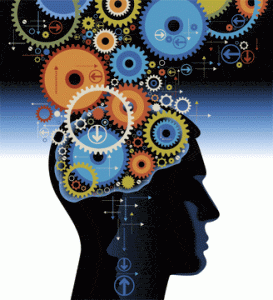 Opioids are based upon opium and all variations of this drug have the same basic method of operation. By attaching to the opioid receptors in the brain, they block the experience of pain. In addition, they activate the reward pathway in the brain, resulting in a pleasurable feeling. In fact, opioids cause the brain to release a higher than normal amount of the pleasure neurochemicals dopamine and serotonin. This intense feeling of pleasure is what makes the opioids so addictive. Further, the brain readjusts it’s levels of serotonin and dopamine and the receptors for these neurochemicals in order to manage the impact of opioids.
 The most commonly used hallucinogens are LSD, MDMA (ecstasy) and PCP. In general, they are used to alter perceptions. Many religious customs involve the use of hallucinogens such as psilocybin and mescaline (peyote) to achieve a higher consciousness or communicate with the spirit world.
 A central nervous system (CNS) stimulant increases the activity of the CNS. Caffeine and nicotine are the most commonly used CNS stimulants. Amphetamine and cocaine are also CNS stimulants. These drugs are sometimes known as ‘uppers’, especially in the case of amphetamines and cocaine.
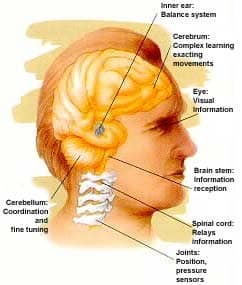 Alcohol and barbiturates are the most commonly used central nervous system (CNS) depressants. As depressants, they slow down the activity of the CNS. Because these drugs slow down the activity of the CNS, they are particularly dangerous when mixed with other CNS depressants. Such mixing of barbiturates or an overdose of barbiturates can slow the CNS down so much that a coma is induced.